CAPITAL & INVESTING

KAFD, Riyadh
PIF’s early post-2015 model was effectively incubation. Take controlling ownership, build the sector from nothing, absorb much of the early risk because private capital was not yet ready to lead. Red Sea, ROSHN, Diriyah, the Makkah and Madinah master developers — different projects, broadly the same logic.
That phase is changing, and what’s replacing it is visible on two fronts at once. I think they’re the same capital-allocation decision expressed differently.
Internationally: fewer, bigger, higher-conviction bets
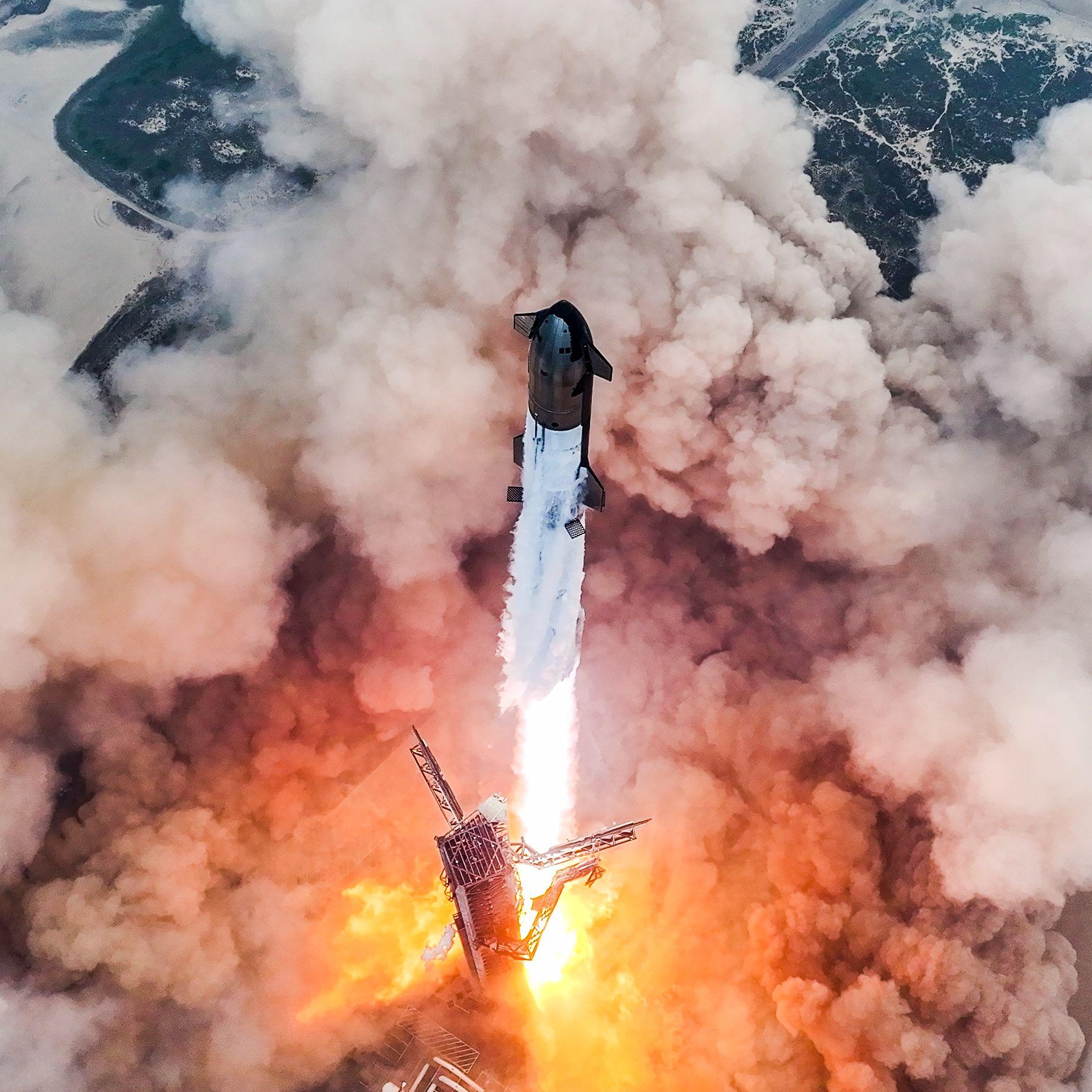
SpaceX
On the international side, the portfolio is getting more selective and more concentrated.
PIF exited much of the diversified 2020 pandemic-discount book — Carnival, Boeing, Meta, Disney and bank stakes — between 2021 and 2023.
What’s left is more concentrated: roughly 60% of Lucid, and a major gaming platform through Savvy that has acquired Scopely and Niantic’s gaming business, with further consolidation continuing.
I would argue gaming has become one of PIF’s most concentrated international sector bets.
Fewer names. Bigger checks. Higher conviction and more risk.
This isn’t diversification for diversification’s sake. It is concentration where PIF believes it can create or capture long-term value.
At home: from growth to value realization
On the domestic side, the same logic is playing out differently.
PIF’s 2021–2025 strategy was called “Growth and Acceleration.”
Its 2026–2030 strategy is called “Value Realization.”
That change in language matters.
The new phase puts greater emphasis on earnings, investment efficiency, private-sector participation and long-term risk-adjusted returns rather than growth for its own sake.
The change is already visible in capital deployment.
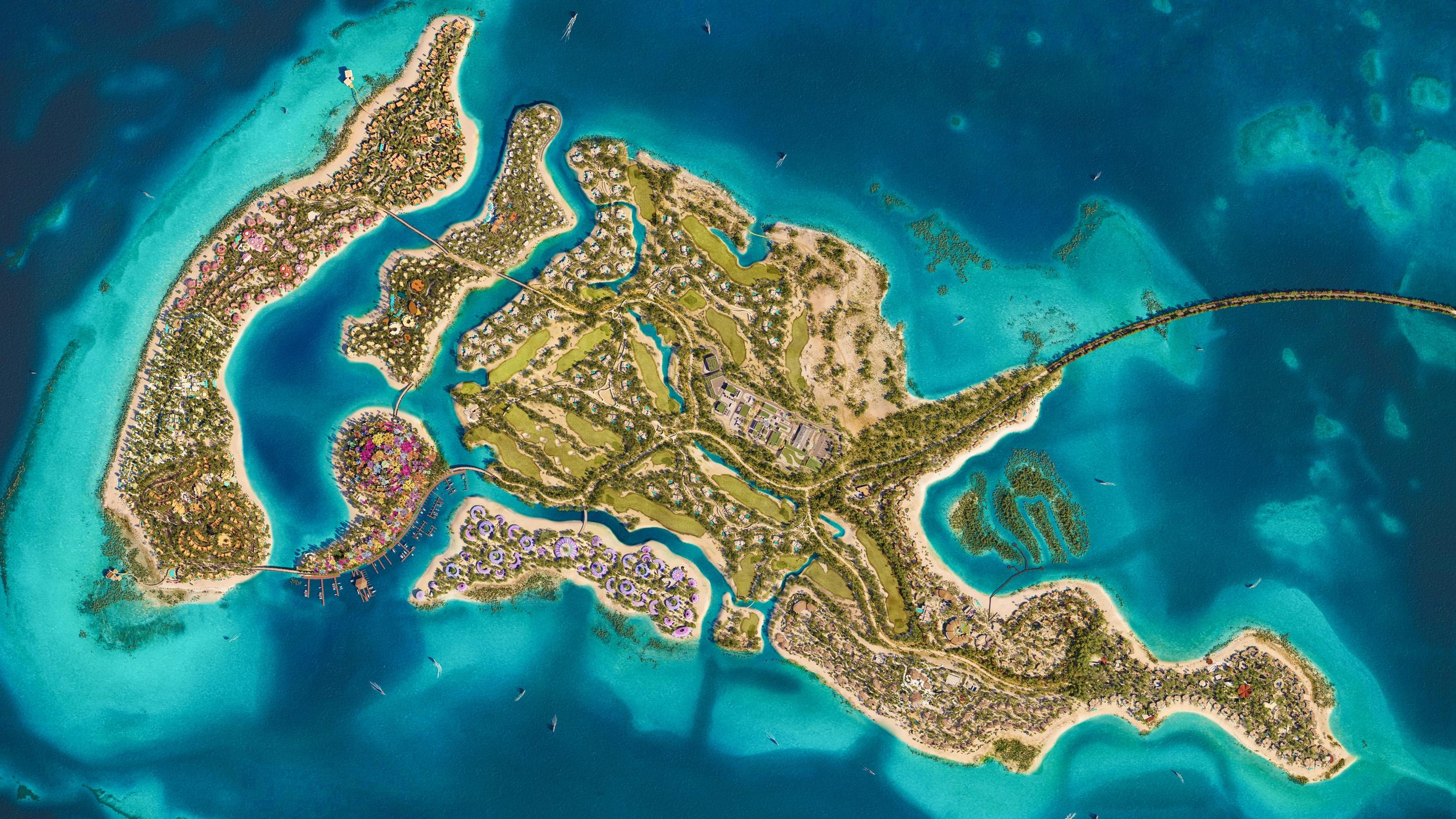
The Red Sea
Saudi construction contract awards fell from roughly $71 billion in 2024 to under $30 billion in 2025 — almost 60% down — while PIF’s own share of those awards fell from more than 38% to around 14%.
The giga-project pipeline is being reprioritized and rephased.
The Line has been sharply rephased from its original ambition, with near-term capital and construction concentrated on a much smaller initial development rather than the full 170km vision.
At the same time, PIF is creating new platforms in sectors where it sees the next opportunity. HUMAIN, its AI company, is one example.
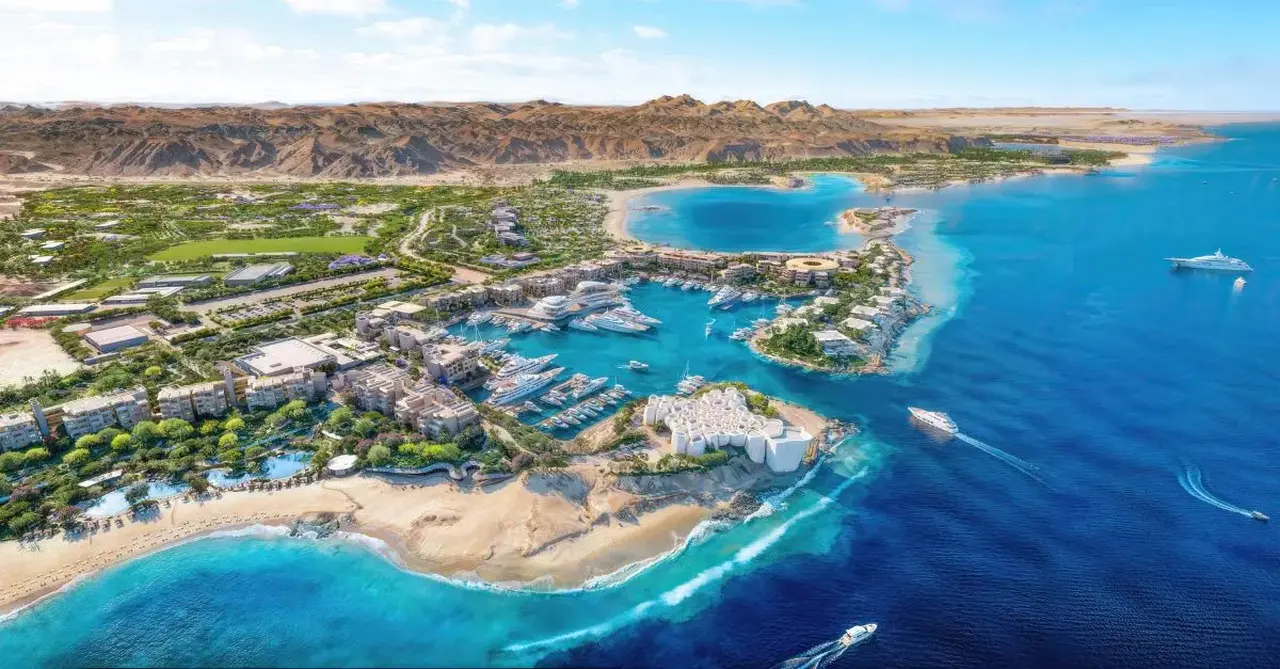
AMAALA
And the giga-projects and portfolio companies that have already made it through incubation are increasingly being opened to outside capital, not simply sold off.
PIF calls the broader logic capital recycling.
Build the asset to maturity. Bring in outside capital. Redeploy what gets freed up.
Giving up ownership can create more value
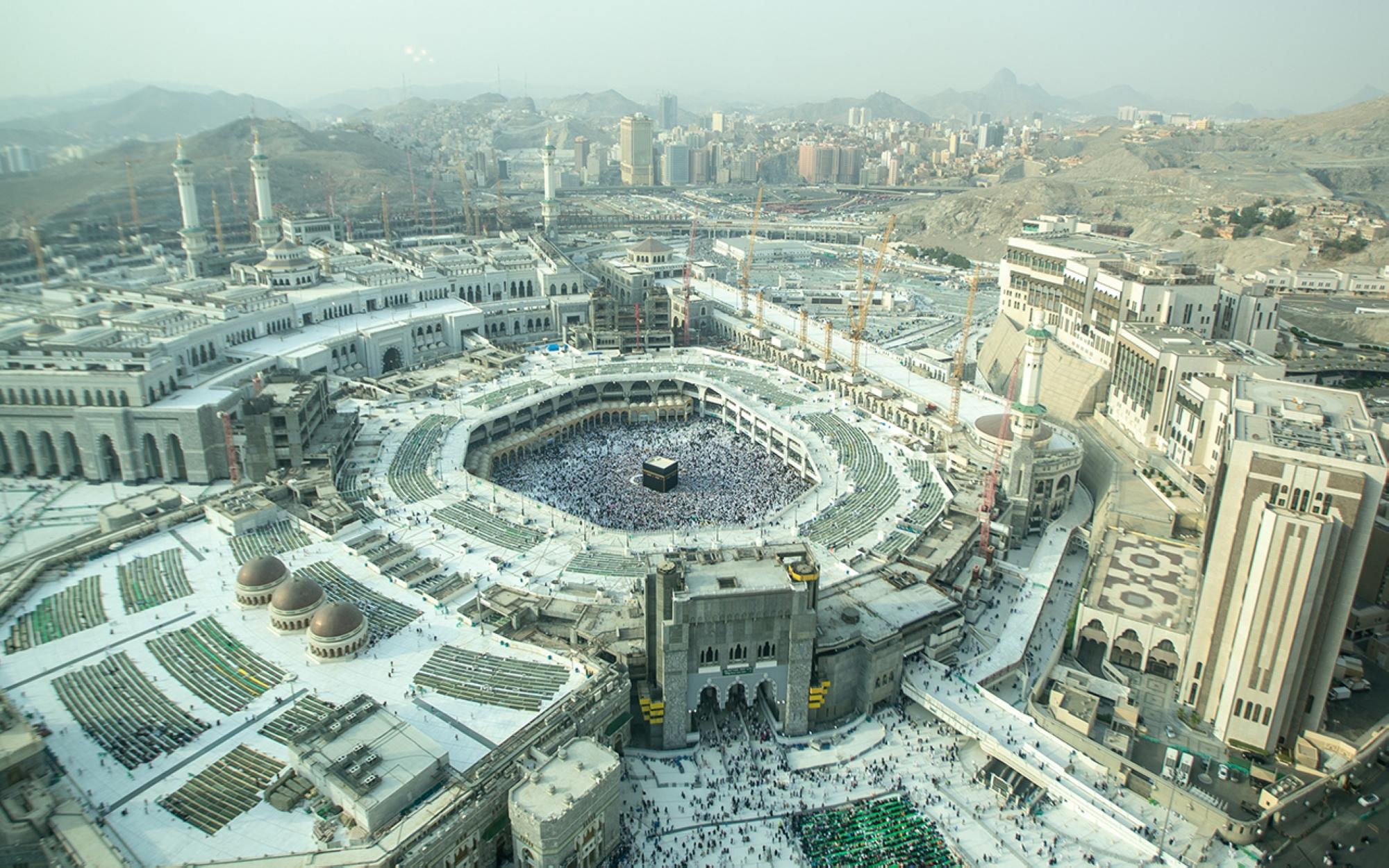
Madinah
If PIF is the owner, one of the levers it can pull is control.
Owning 100% means capturing 100% of the economics. But it also means funding 100% of the capital requirement.
That makes sense during incubation, when there may be no credible alternative source of capital.
It makes less sense once the asset has matured.
Giving up part of the ownership can bring in FDI, institutional capital, operating expertise and additional balance sheets faster than PIF can deploy capital alone.
And it can speed delivery on projects that no longer need to prove the concept.
They need to scale it.
The question therefore changes from:
How much of this asset should PIF own?
to:
What level of ownership maximizes the value of PIF’s capital?
Those are very different questions.
Same fund. Same balance sheet. Two fronts, one decision.
Internationally: fewer, bigger, higher-conviction bets.
Domestically: less ownership, more outside capital, faster delivery and capital recycled into the next opportunity.
One side concentrates capital where conviction is highest.
The other releases capital from assets PIF has already helped build.
Both are ultimately the same decision:
Where does the next riyal of PIF capital create the most value?
PIF is still growing.
But the way it grows is changing.
The next phase is not simply about building more.
It is about turning what has already been built into value.
RELATED NOTES
Related Notes will appear here when they are selected.